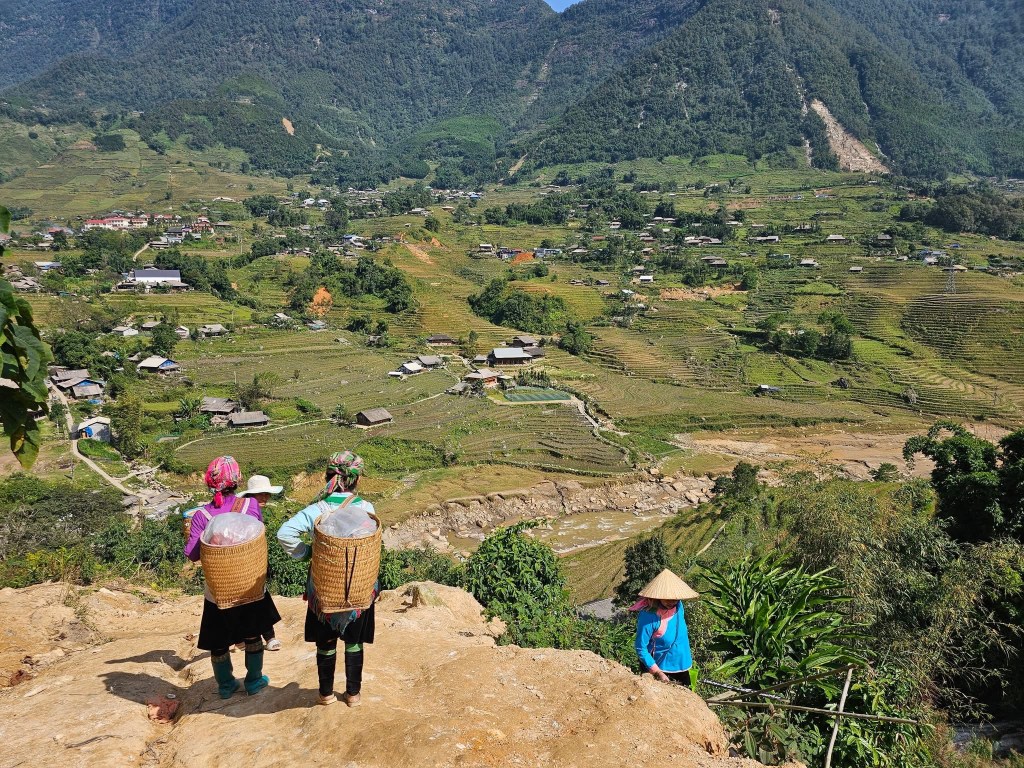
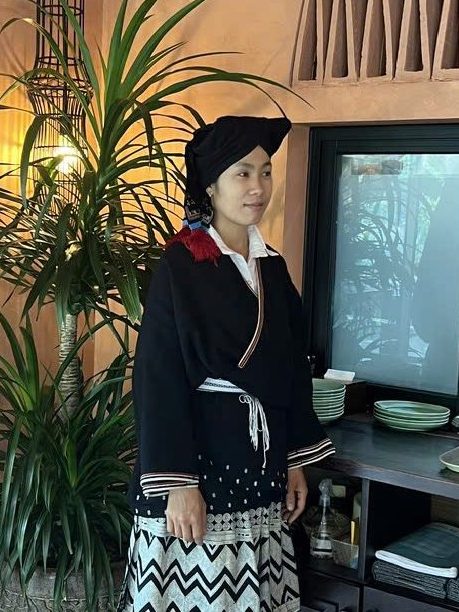
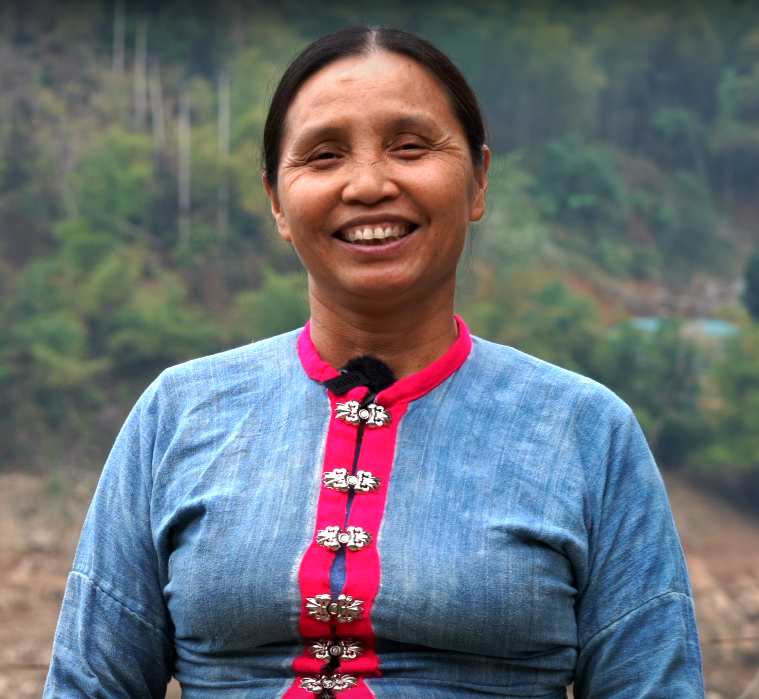
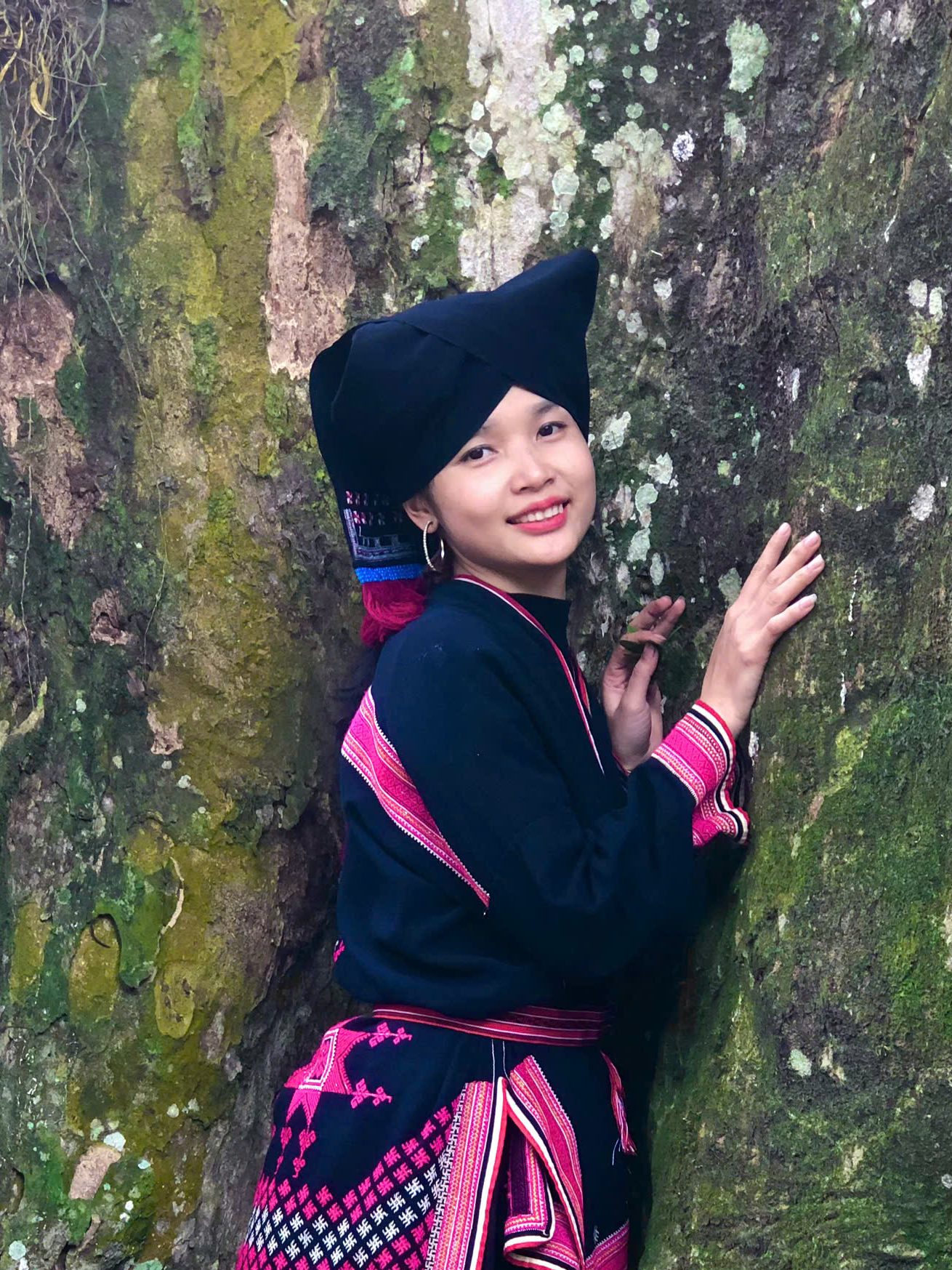
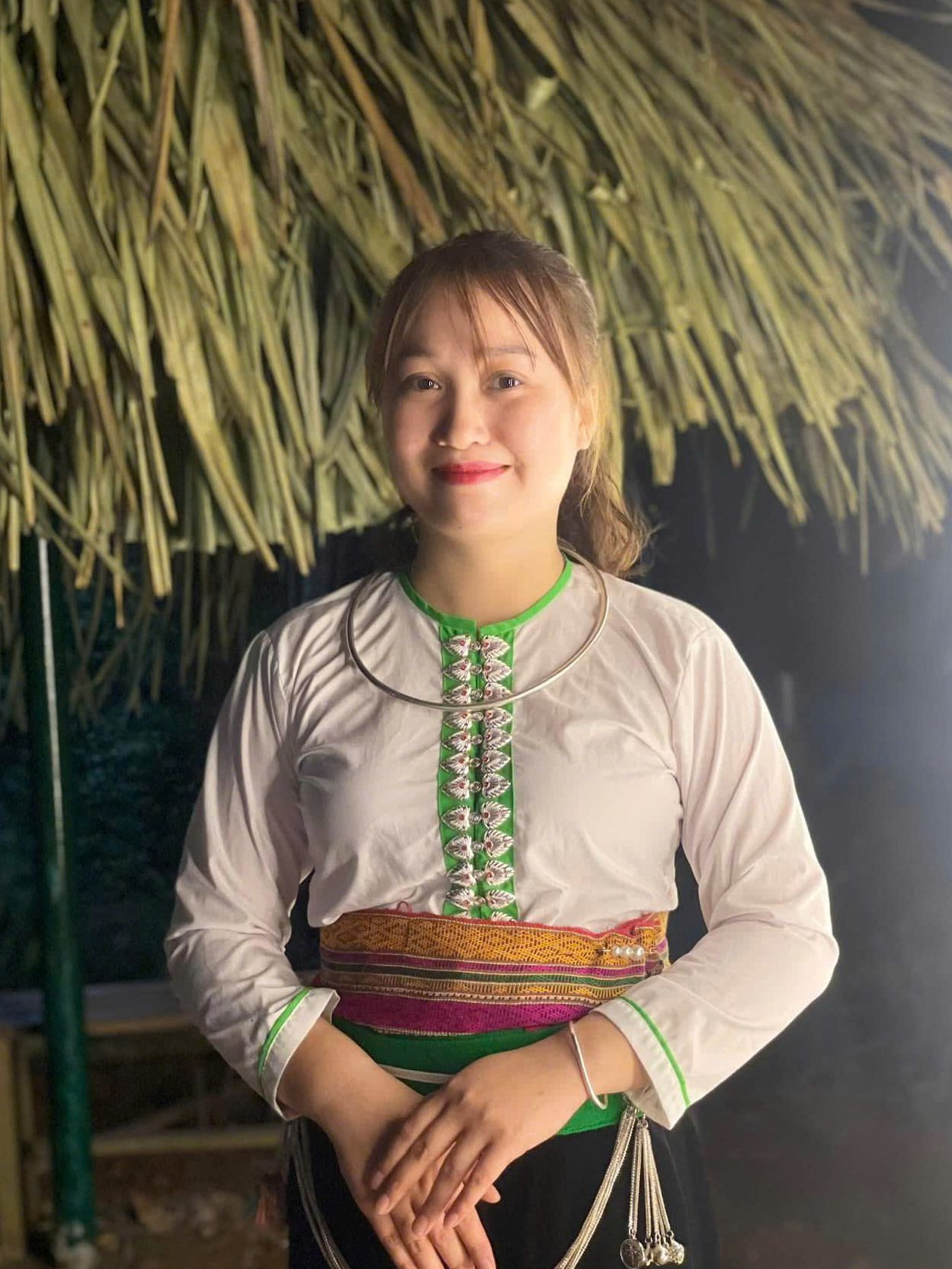
This project is ongoing and focuses on the central belief that other ways of knowing and being are increasingly lost or homogenized to the world’s majority culture. We aim to engage, understand, and share how outdoor tourism influences and is influenced by the worldviews, narratives, behaviors, skills and health of the Dao, Mường, Hmong and Giáy communities in Vietnam’s northern mountains. This project is also carried out in collaboration with the UNESCO Chair in Vietnam.
Spanning 2.5 years, the research team has collected…
700
photo-voice images
15K+
photos and videos
60
days of field trips
9
focus groups
35
individual interviews
60
hours of transcript recording
Methodology
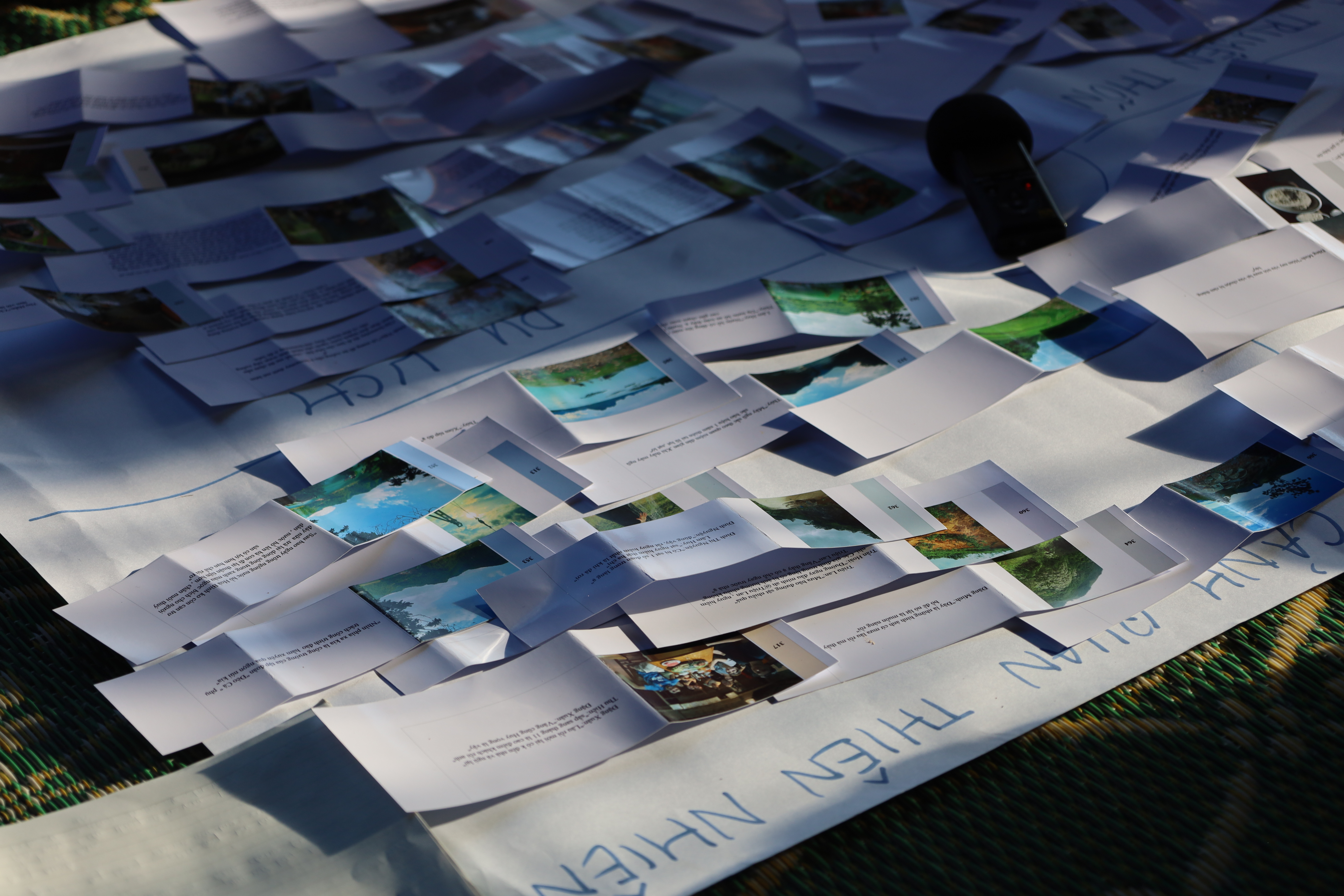
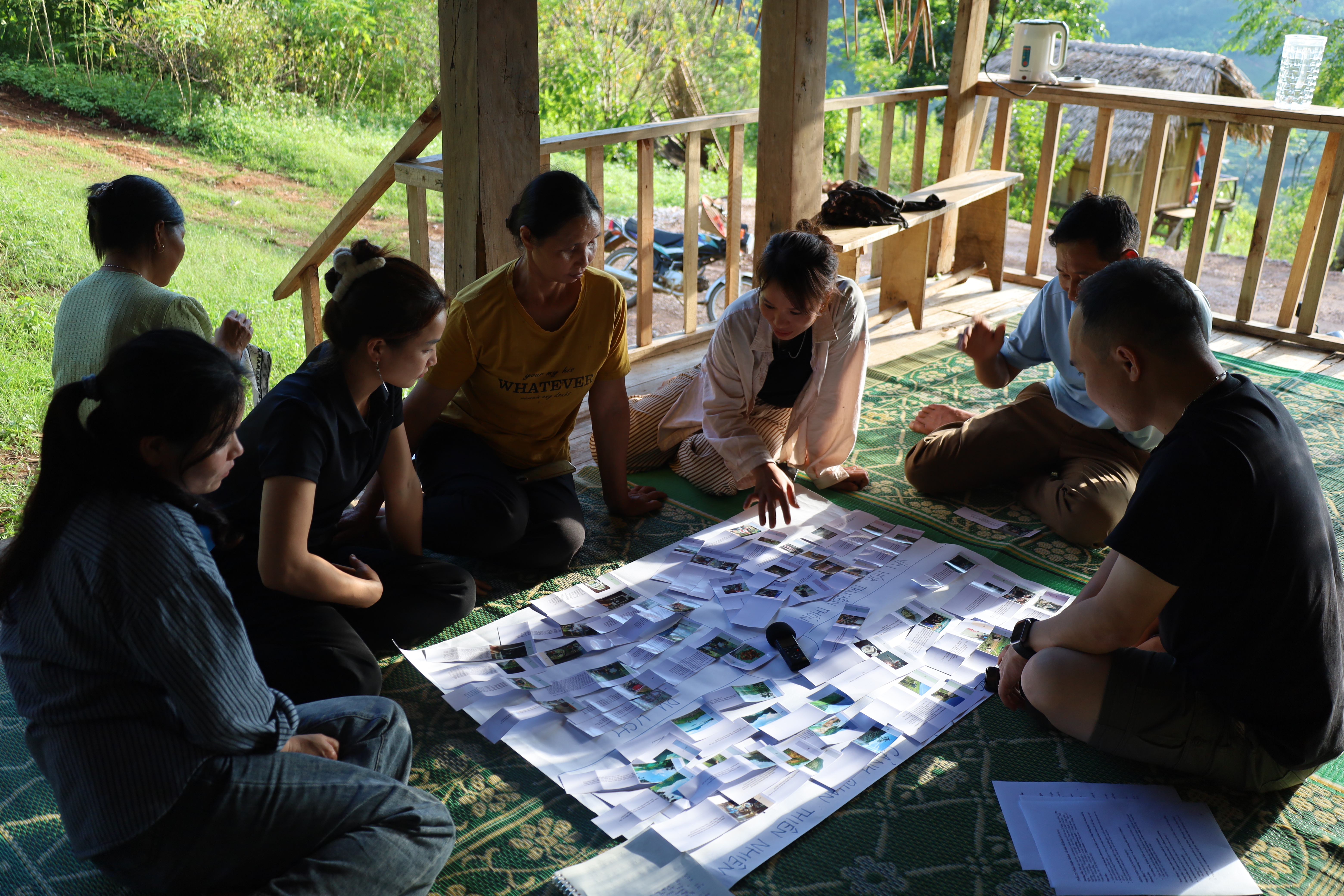

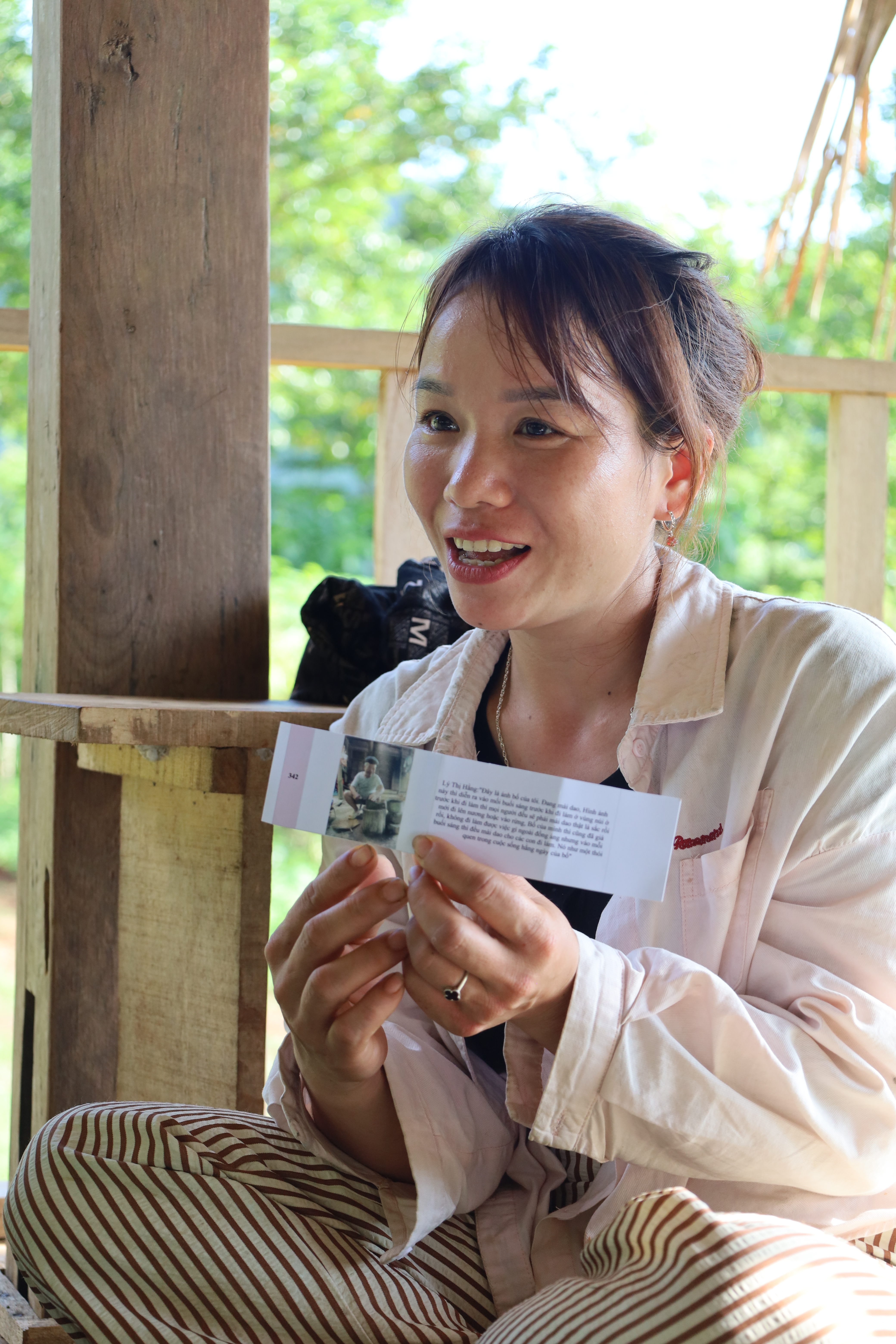
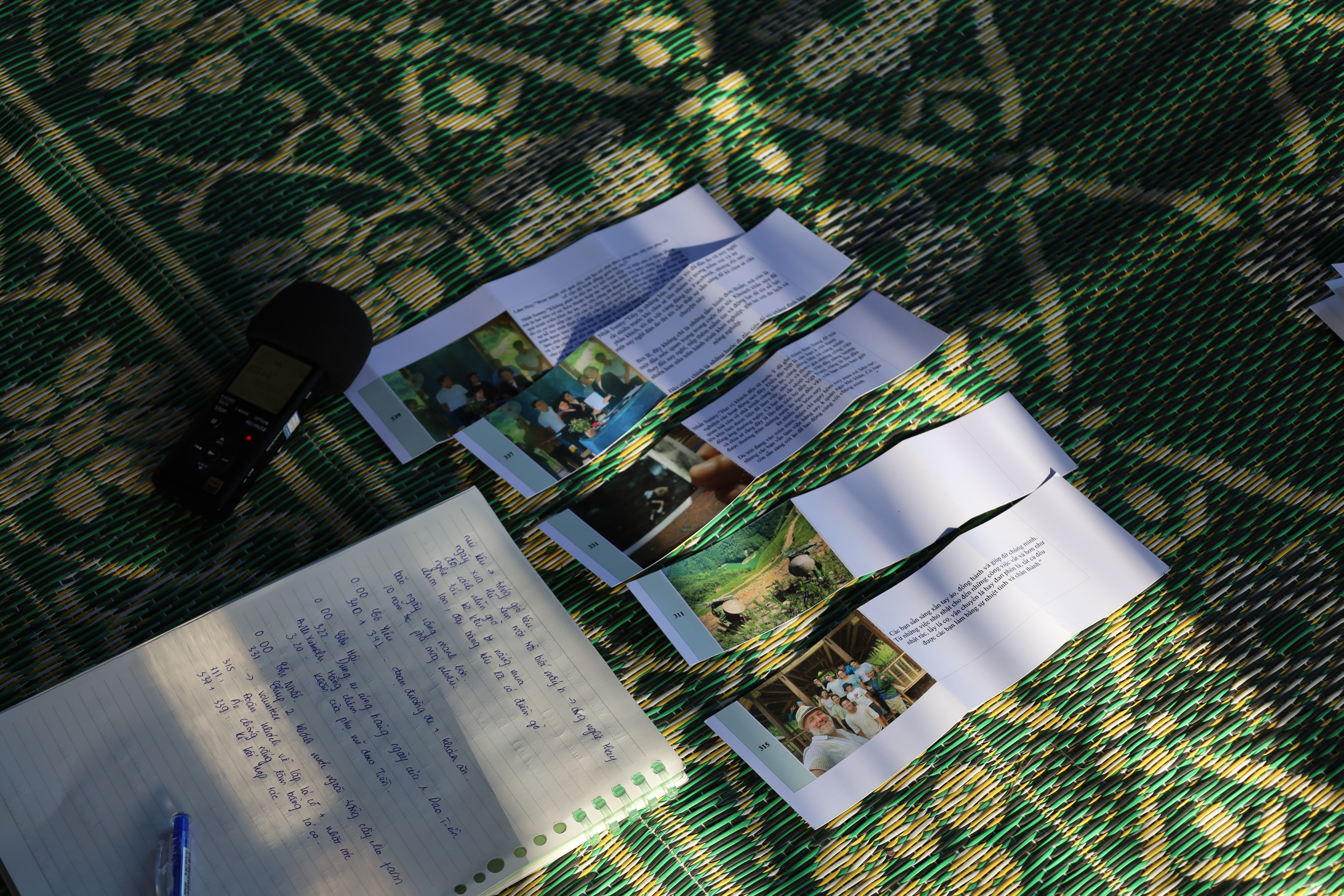
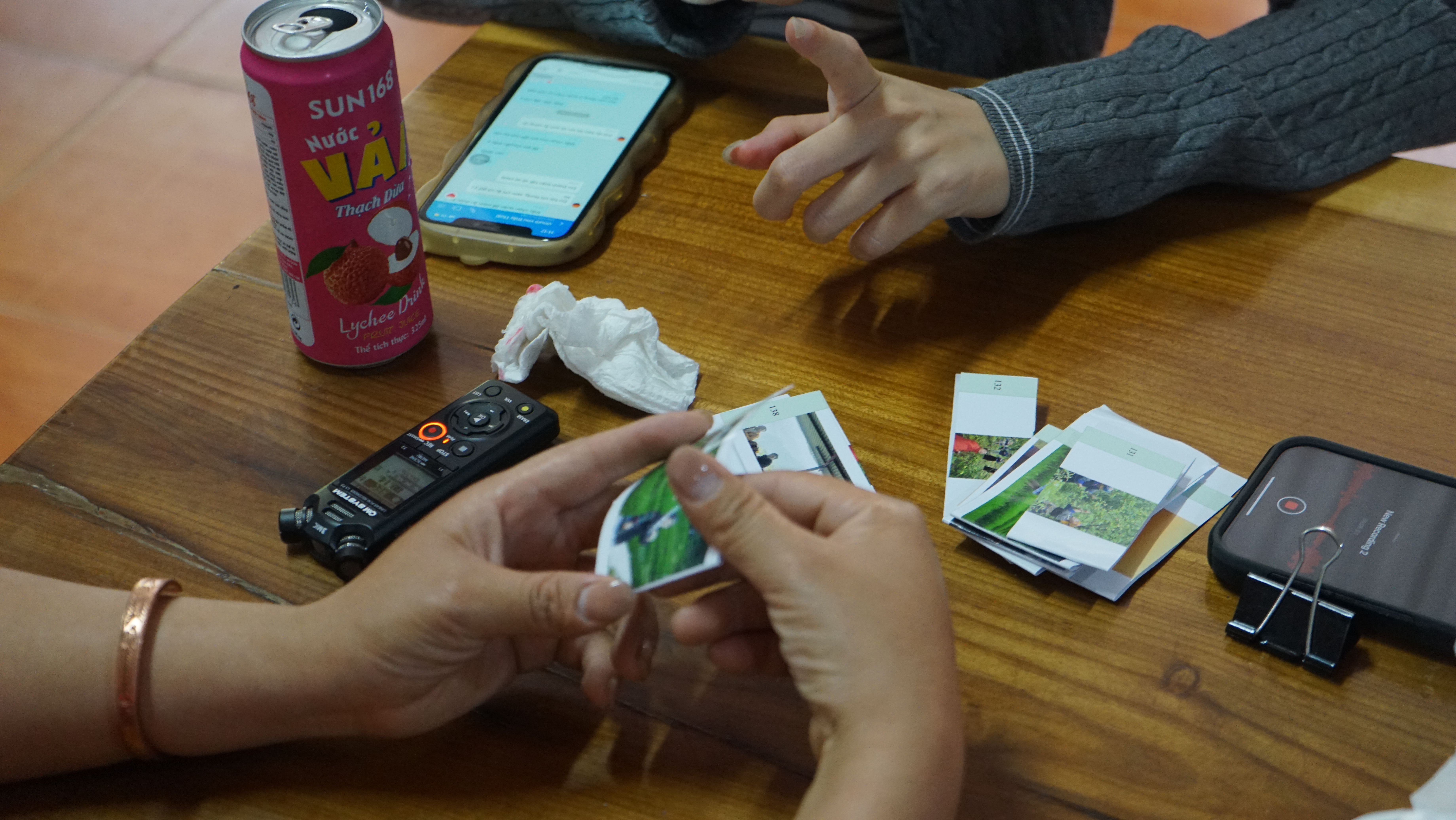
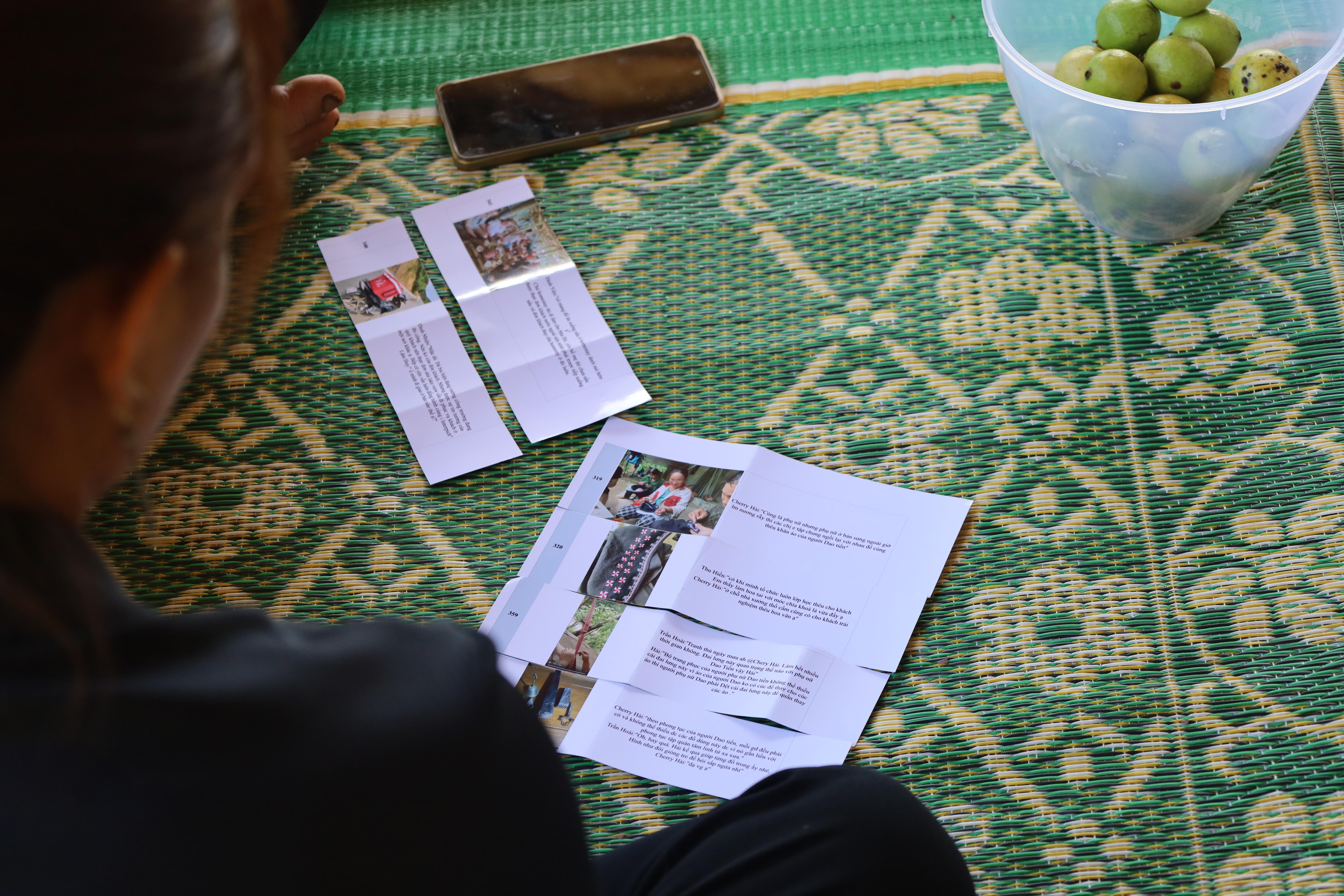
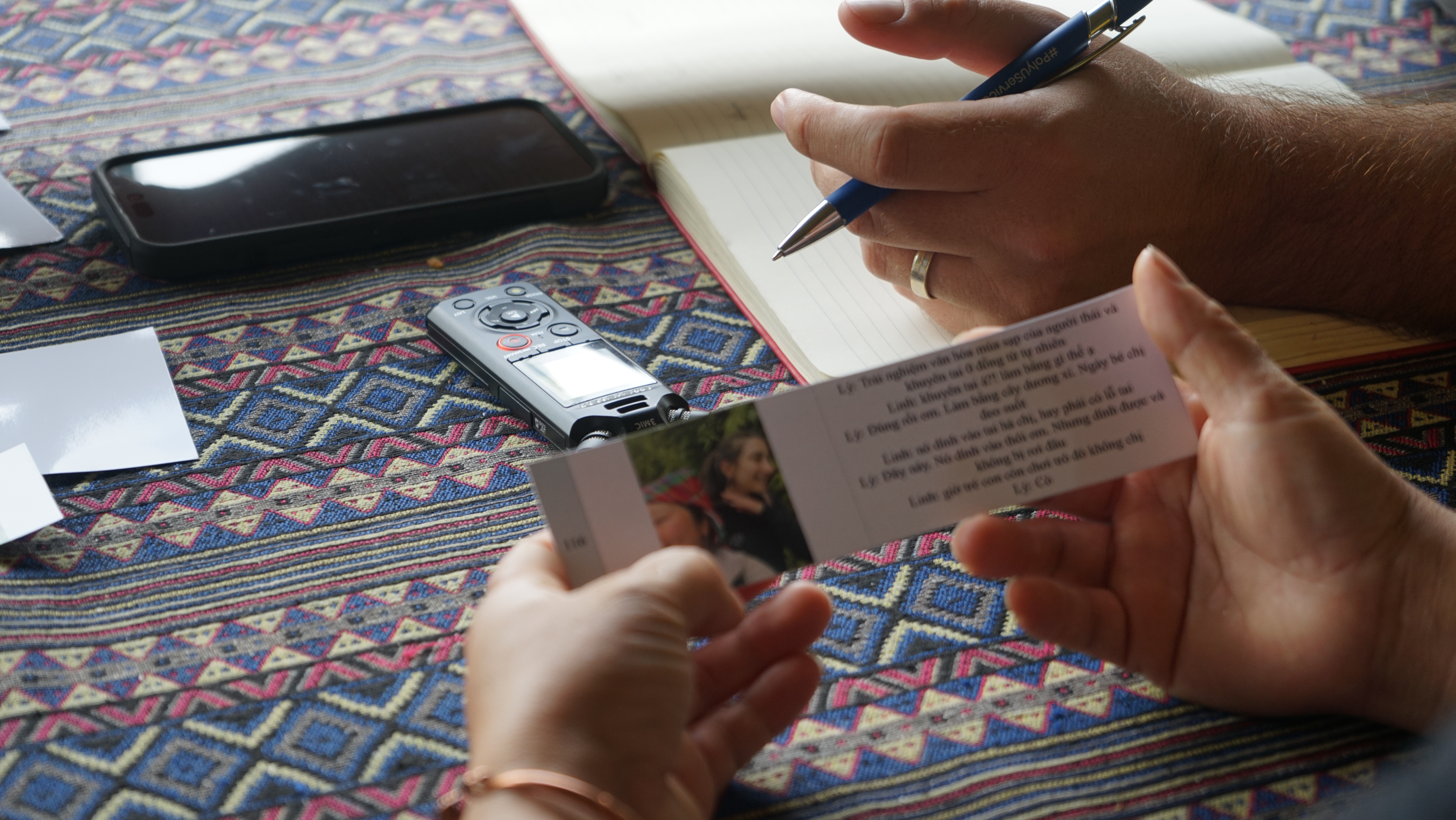
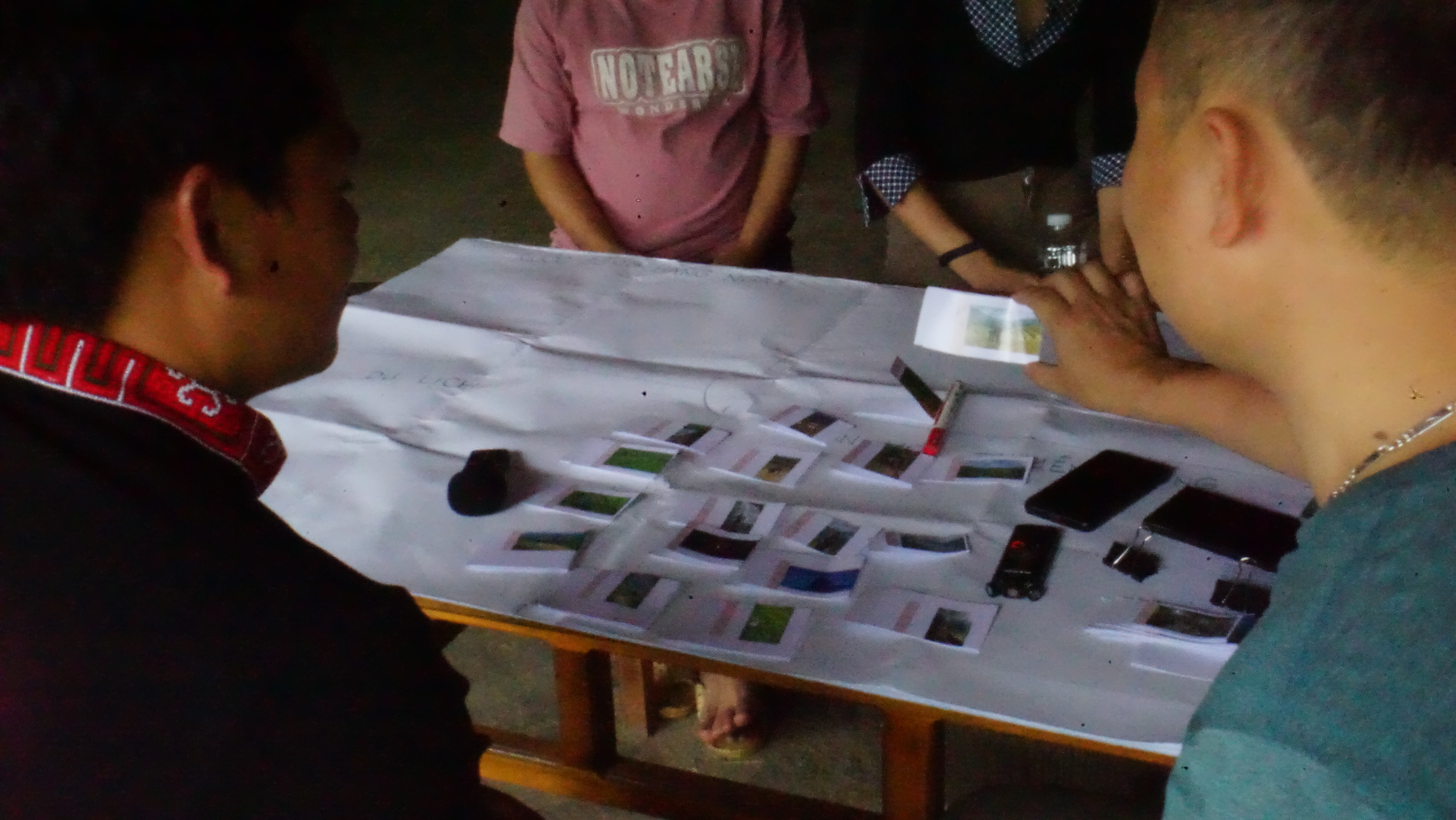
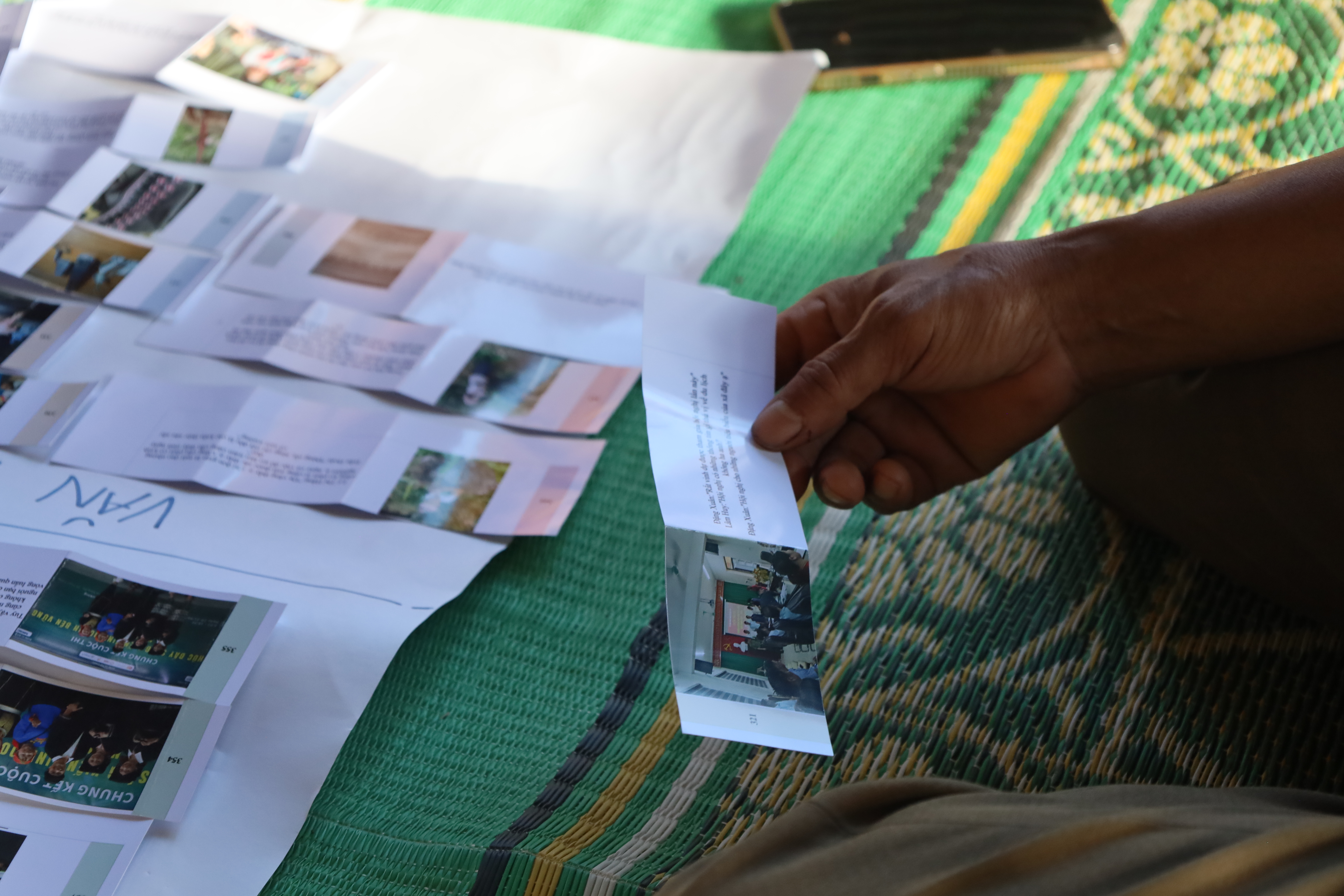
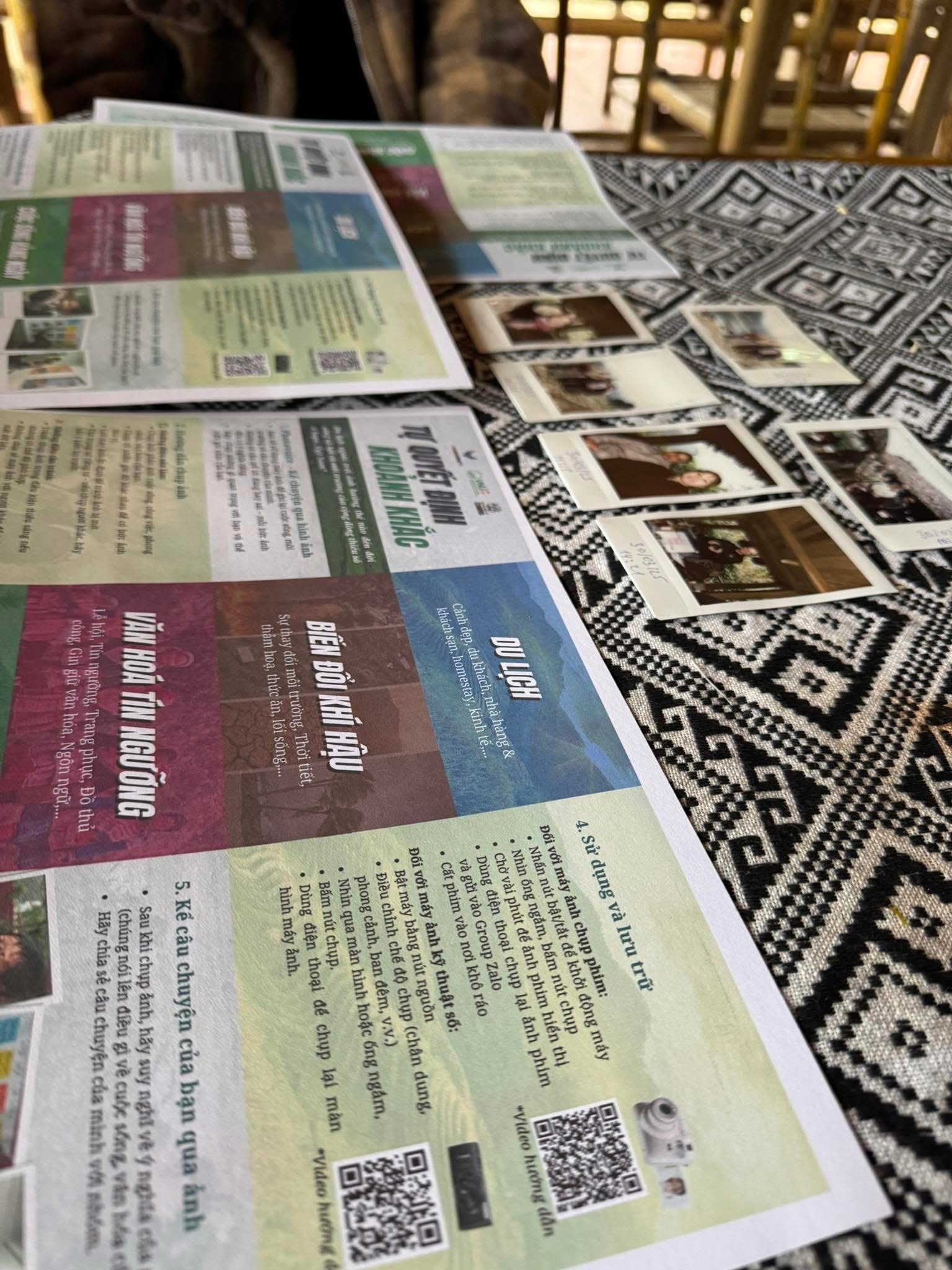
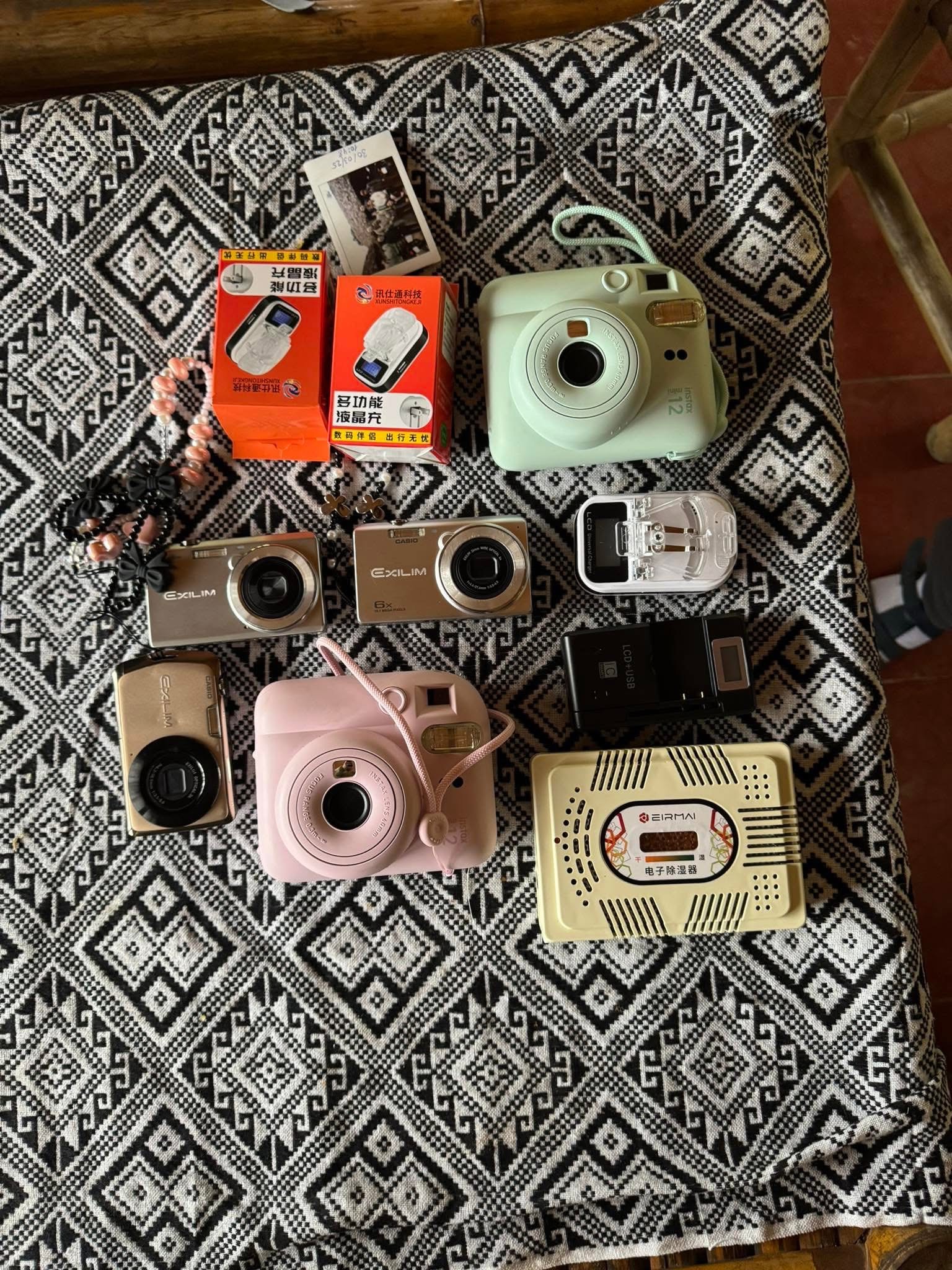
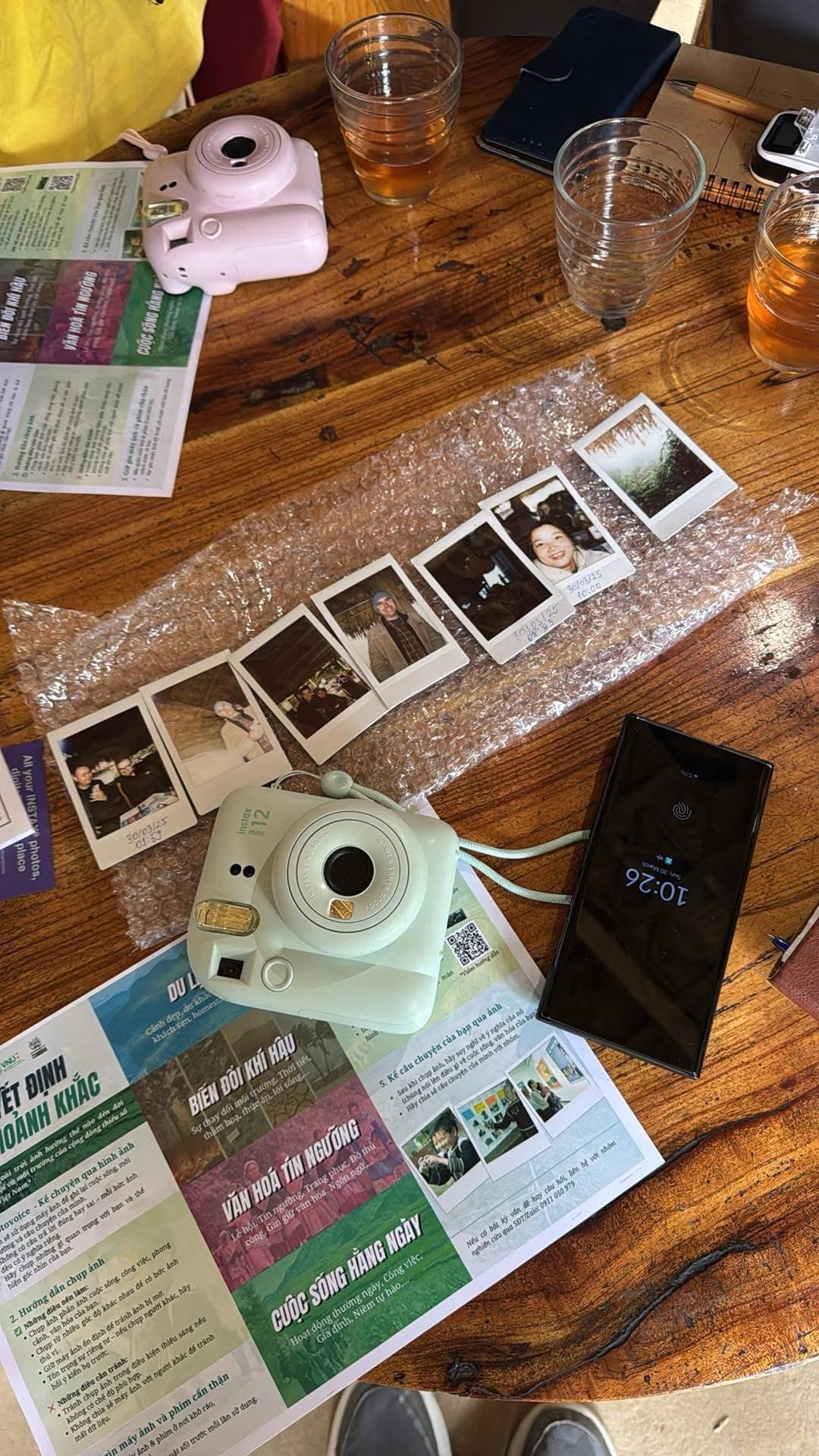
This project uses a Participatory Action Research (PAR) approach to explore the social and environmental impacts of outdoor tourism on ethnic minority communities in northern mountainous regions of Vietnam. The team employs a narrative-photovoice method, giving local participants cameras to document their everyday experiences and perspectives, which are then discussed in focus groups and developed into collaborative photo montages for exhibitions (see photo gallery).
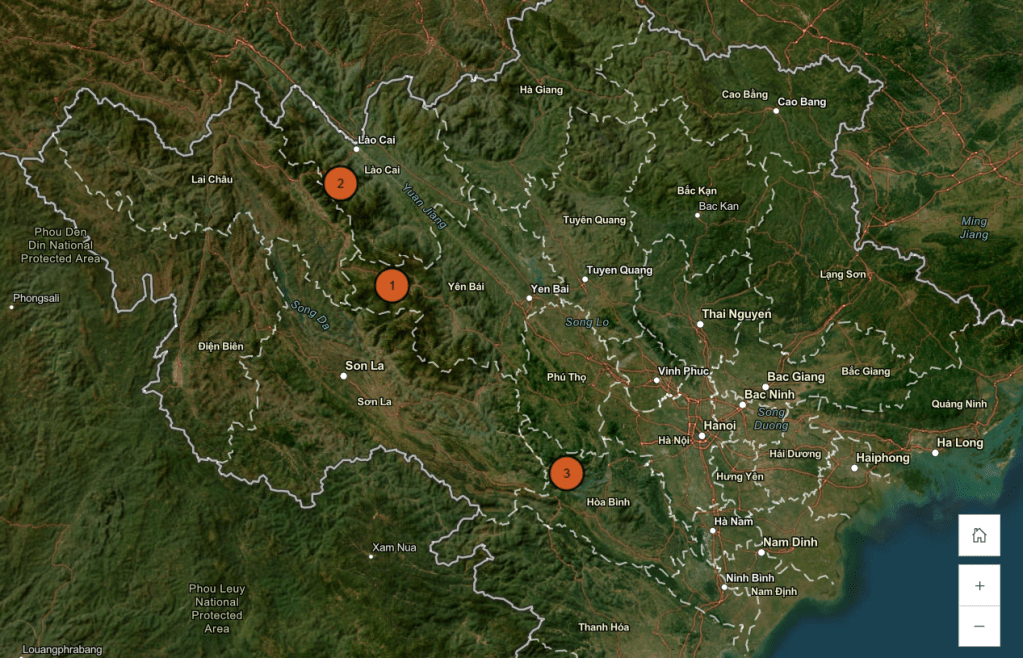
Our team is working closely with local enterprises, trekking guides, and community members. By combining ethnographic inquiry, visual storytelling, and collaborative analysis, the methodology ensures that community members act as co-researchers, shaping research questions and outcomes as they tell stories from their perspectives. The tourism research is being conducted across three intentionally chosen field sites of:
- Sa Pa – high volume of tourism “hotspot”
- Mù Cang Chải – emerging tourism area / destination
- Đà Bắc – lower volume of tourism and niche activities
Research Sites
Mù Cang Chải
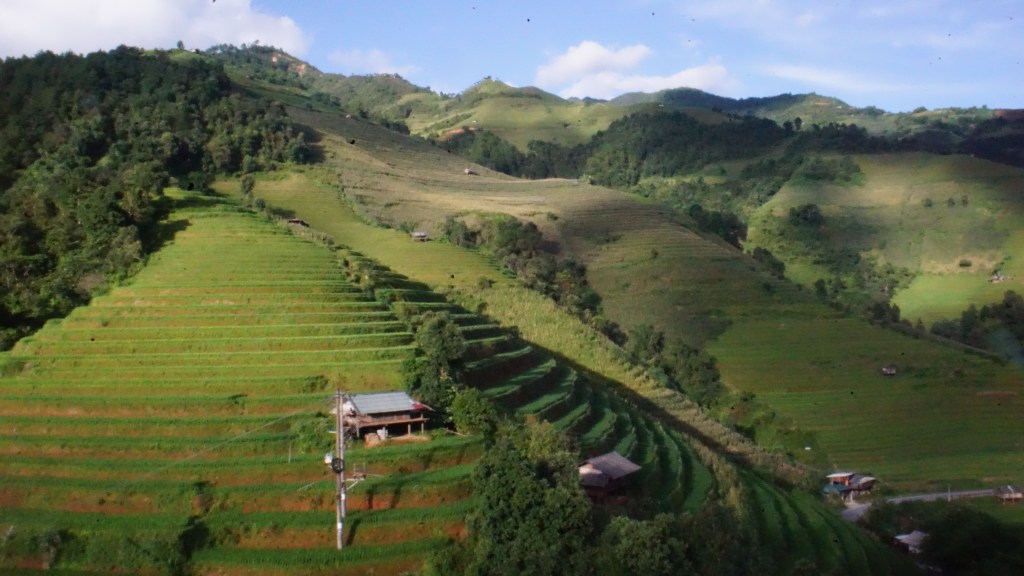
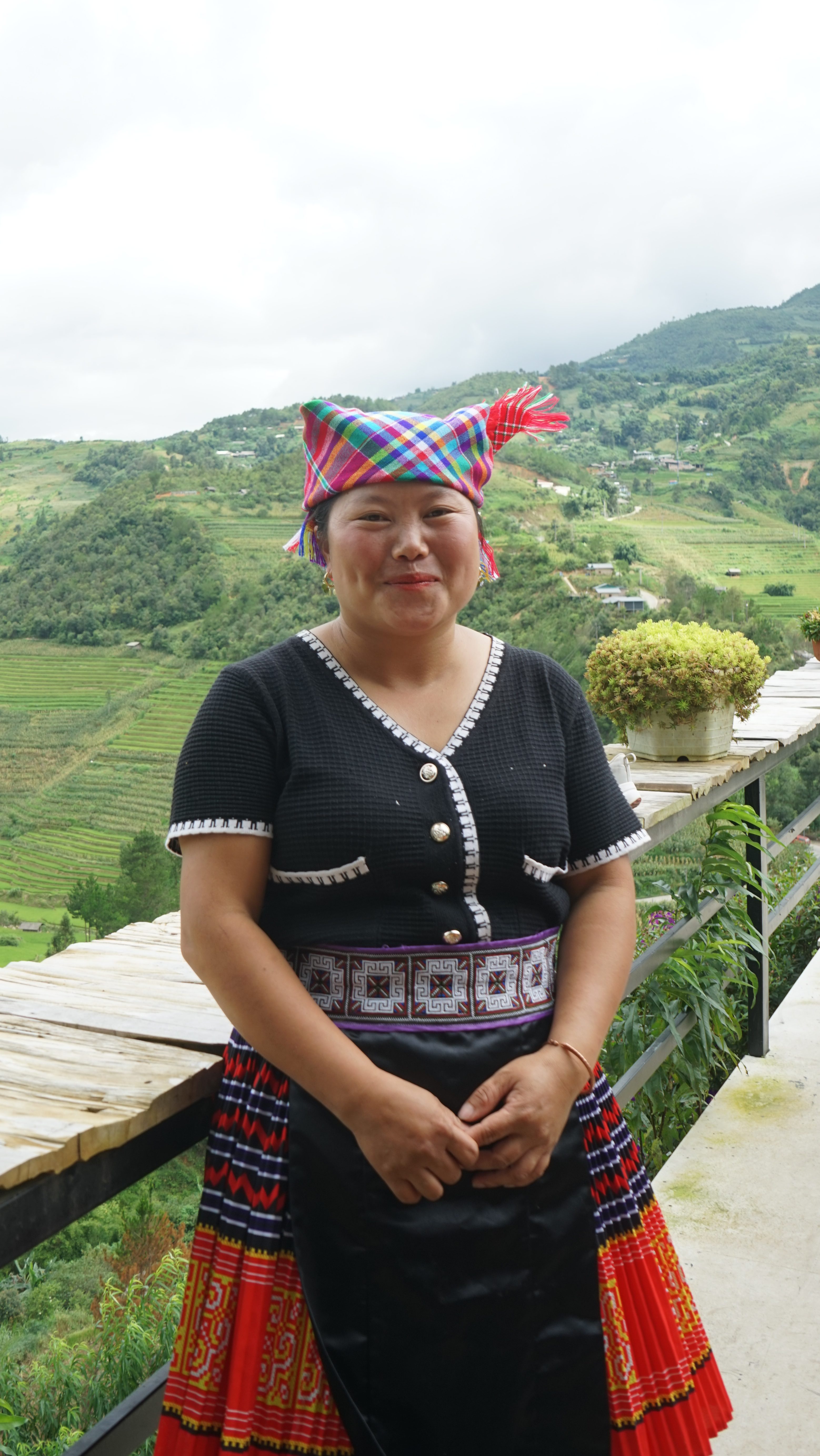
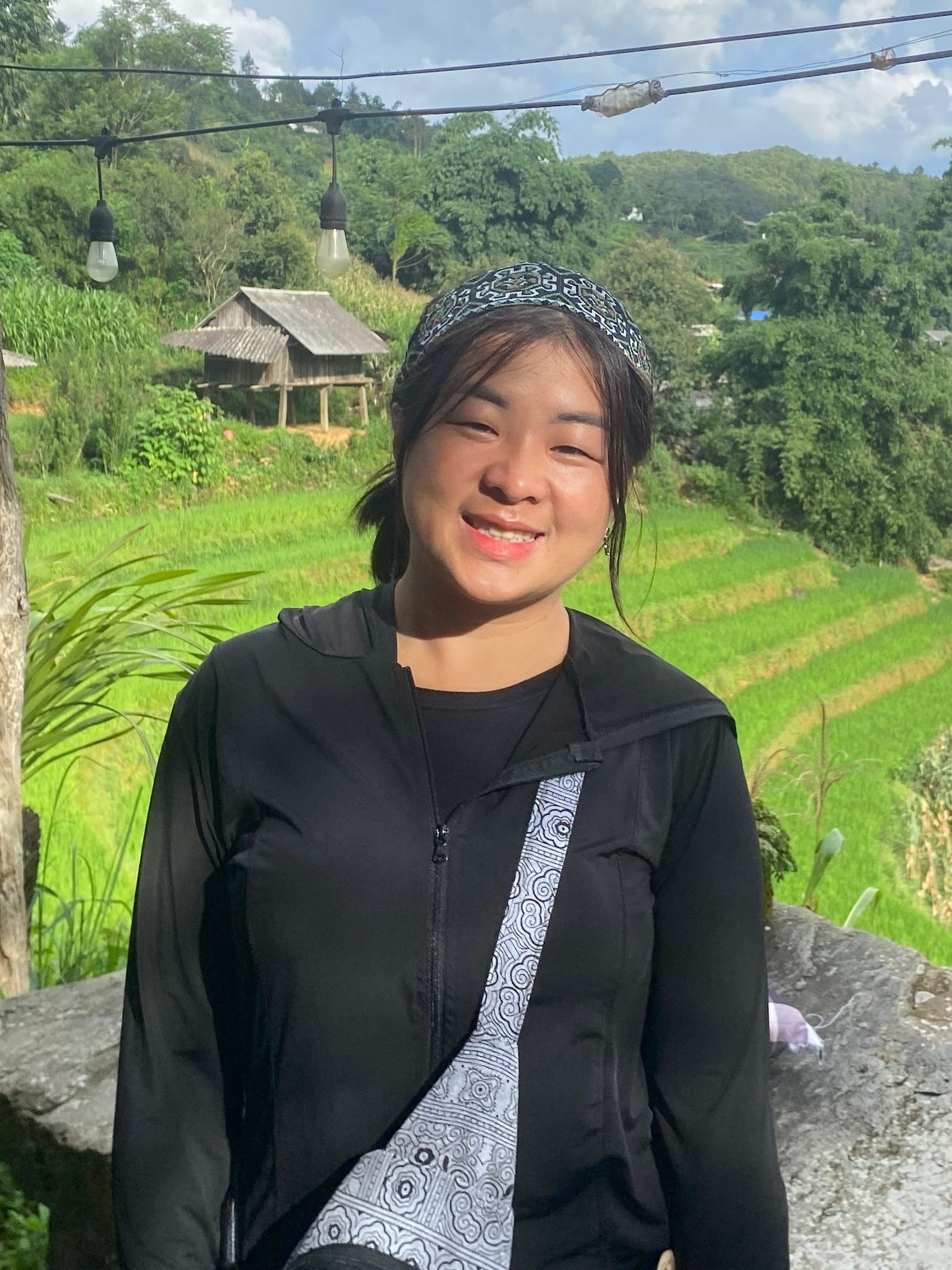
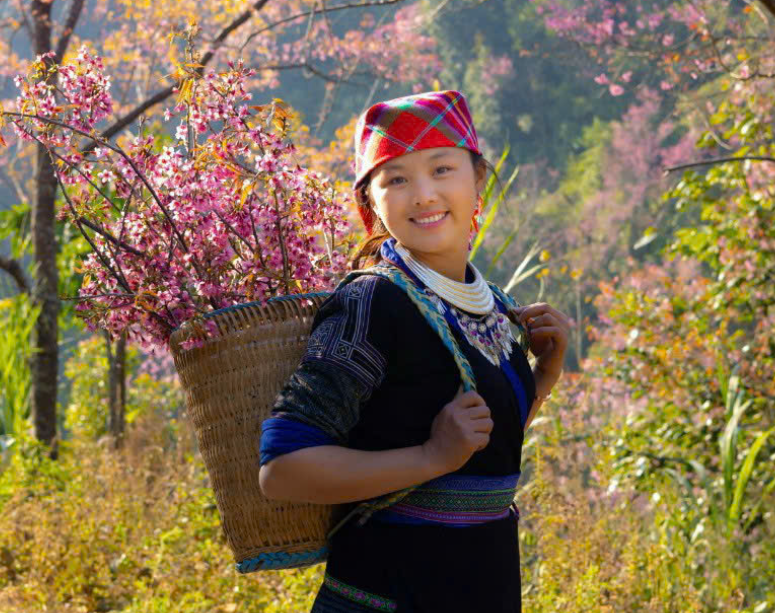
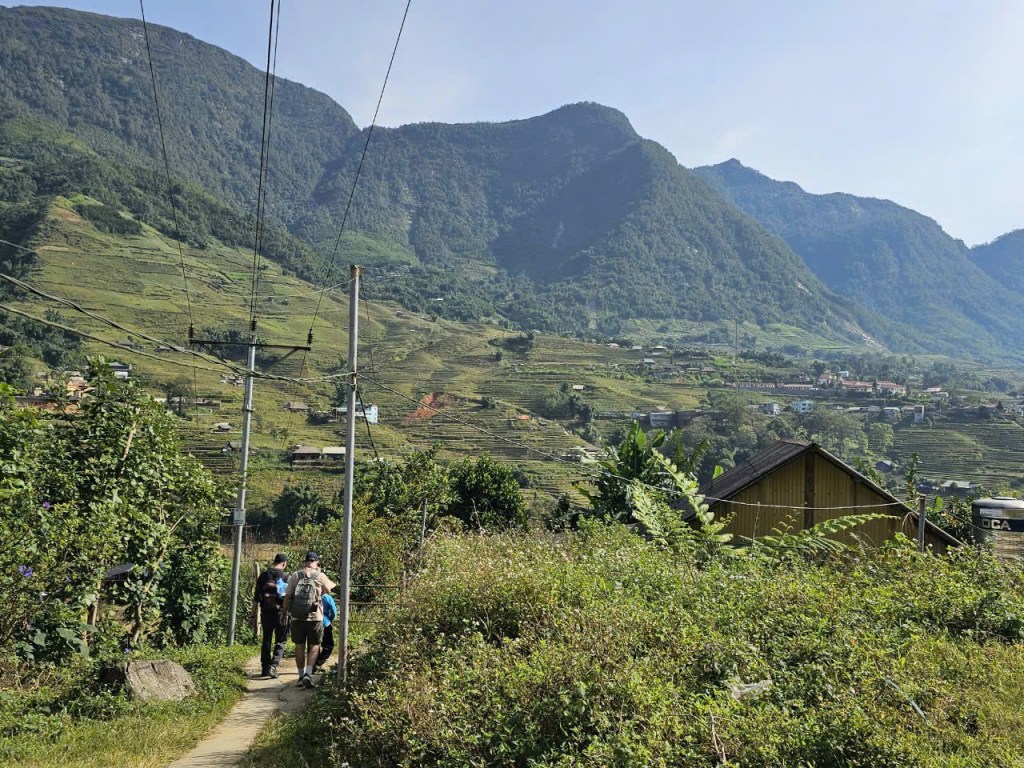
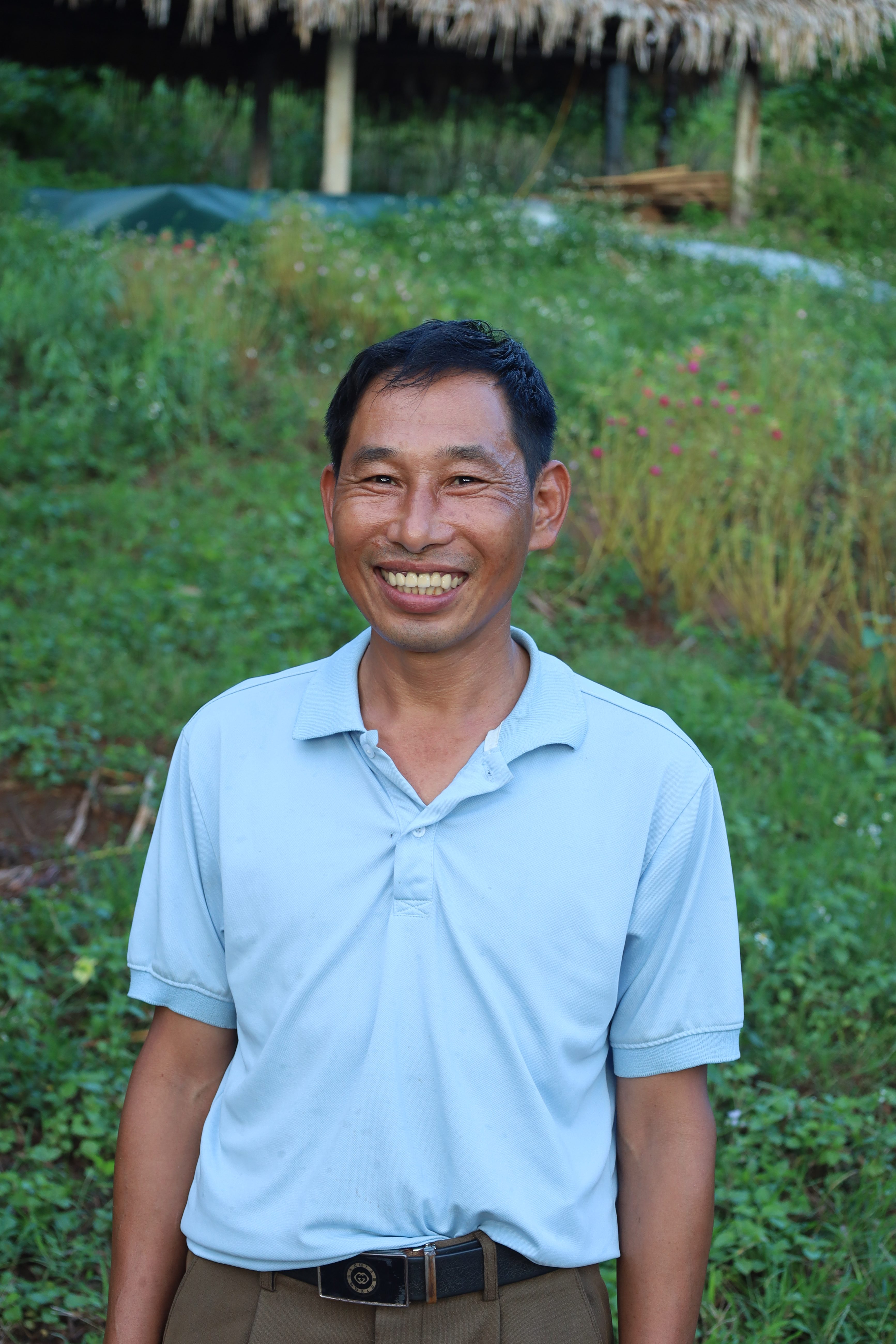
Mù Cang Chải, Yên Bái is a “rising” tourist destination. It sees a significant influx of new tourism forms (ethnic-, eco-, adventure-tourism) due to its scenic rice terrace and the local Hmong communities.
Climate change, agricultural alternatings, local cultural erosion, emergence of tourists and tourism infrastructures are accelerating in this 500-hectare land. These acute changes construct and are constructed by the Hmong community, their cultural practices, beliefs, and lived experiences.
Local Collaborators

Sa Pa
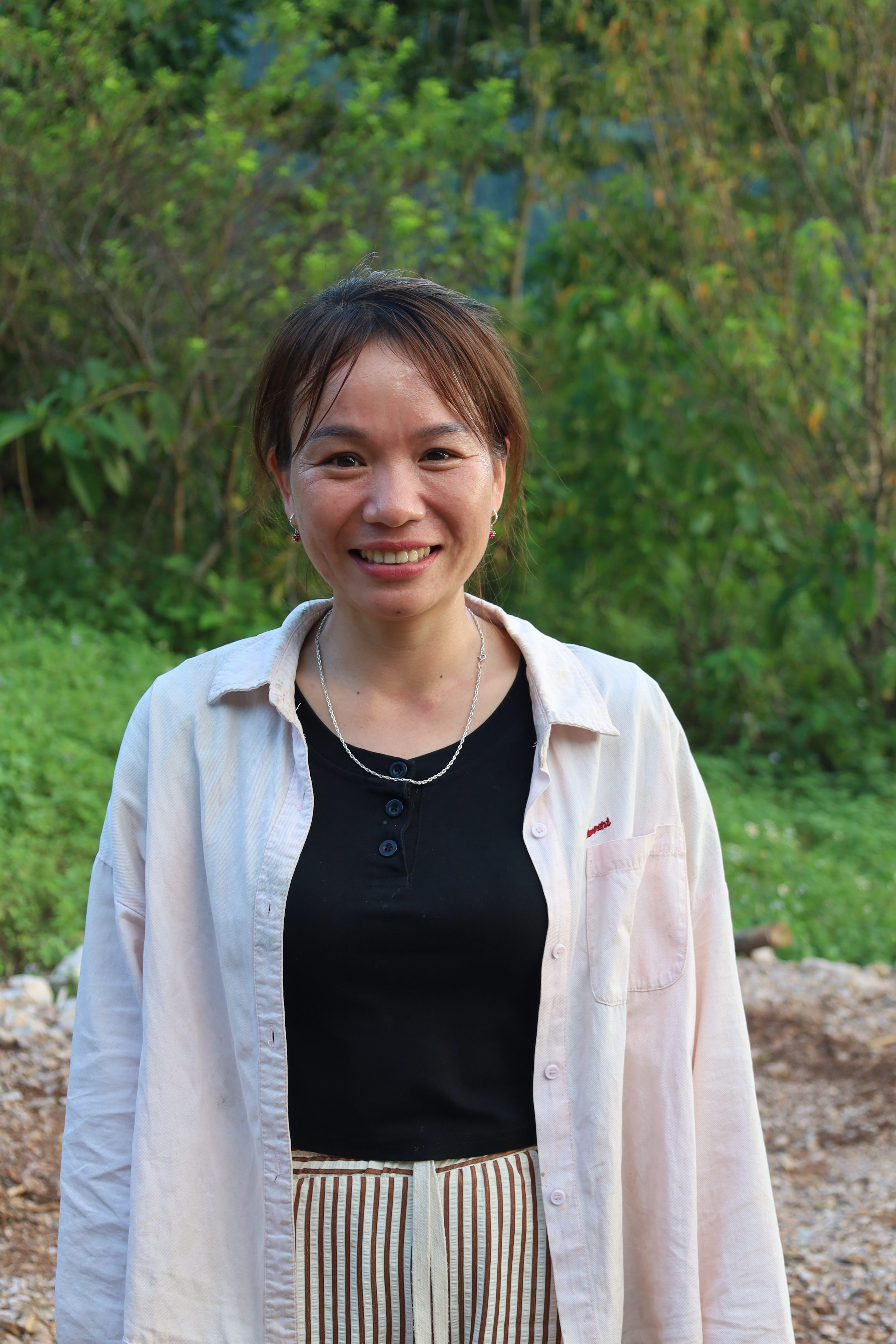
Sa Pa, Lào Cai is an “established” tourist destination. As a “hill station” during the French colony in the early 19st century, Sa Pa witnessed early arrival of “outsiders” starting with French colonial administrators, Vietnamese (Kinh ethnic) immigrants to modern domestic and international tourists.
Today, Sa Pa welcomes millions of tourists and earns thousands of billions VND in revenue annually. Juxtaposing the trekking trails, restaurants, resorts and homestays are the local Hmong, Giáy, Tày and Xa Phó communities who participate in tourism as trekking guides, homestay owners, stage perfomers or vernacular textile artists.
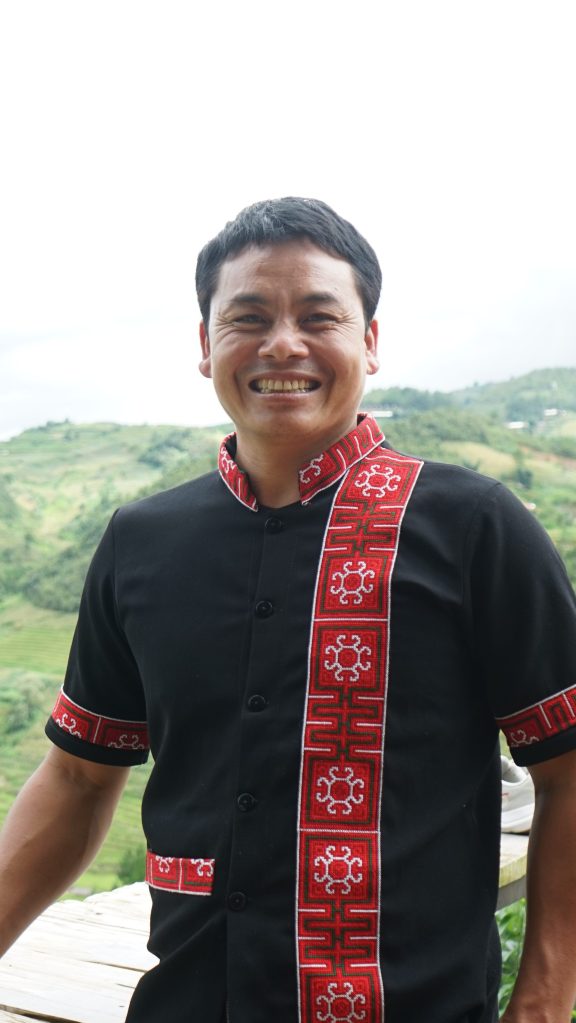
Local Collaborators
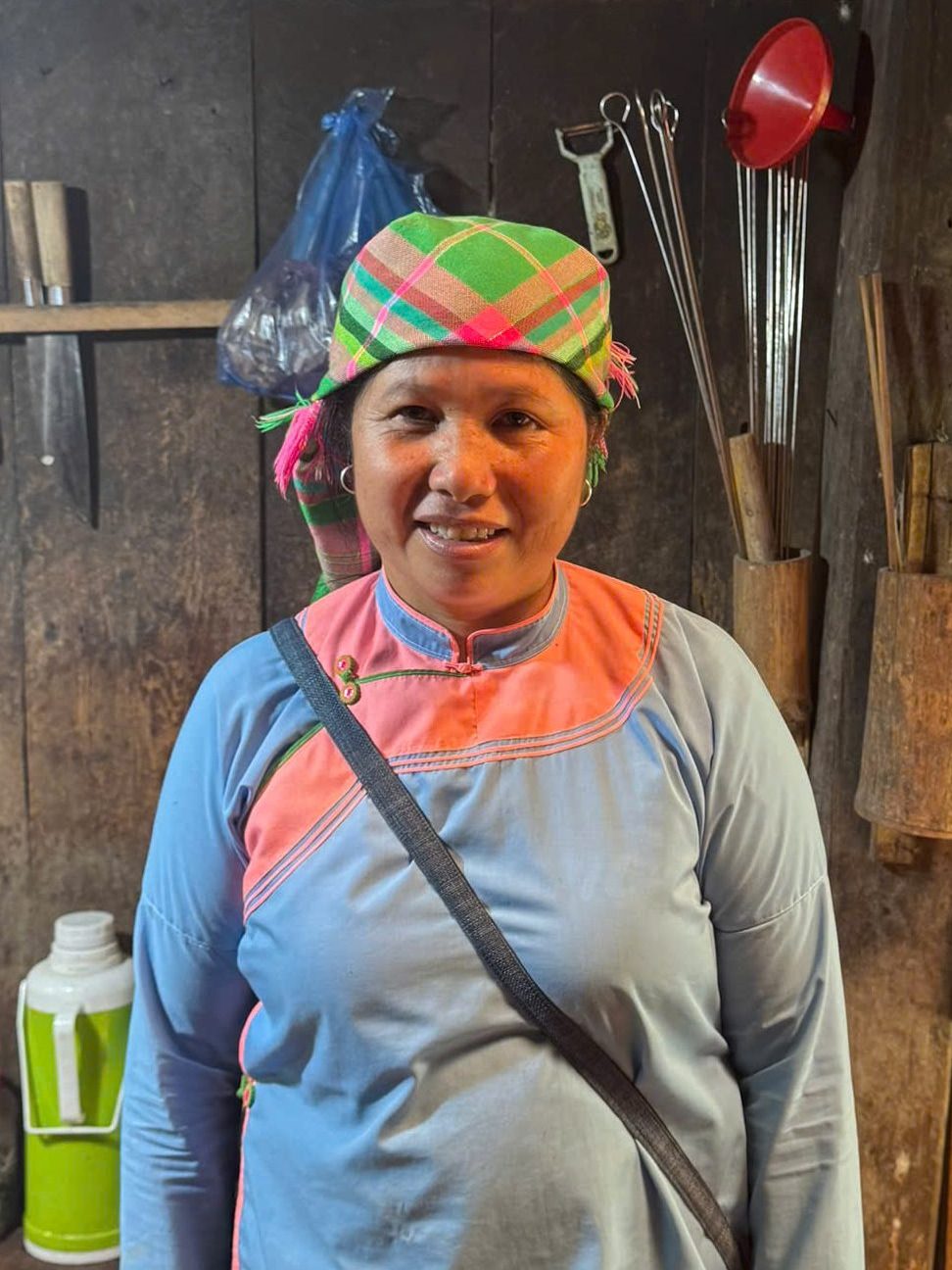

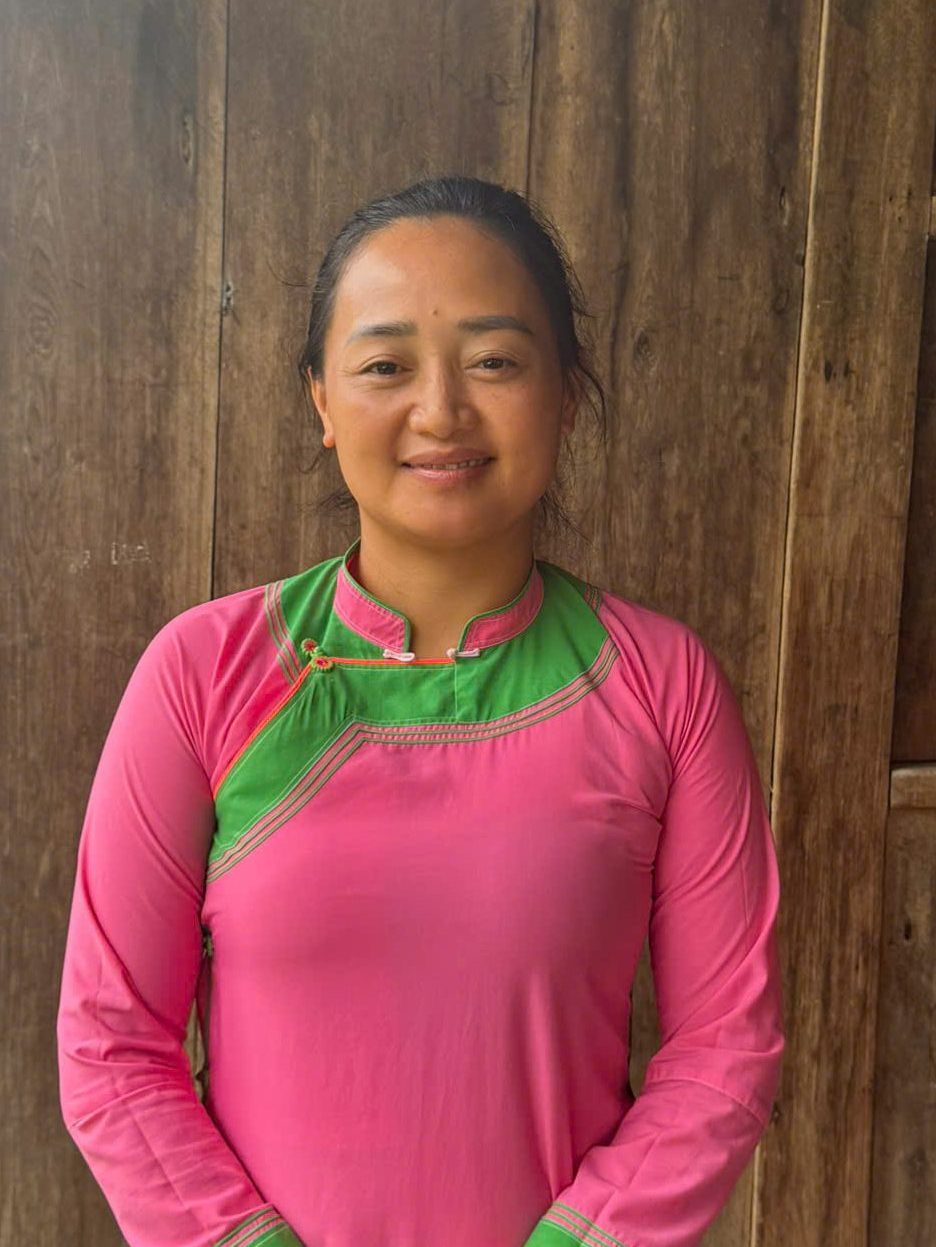

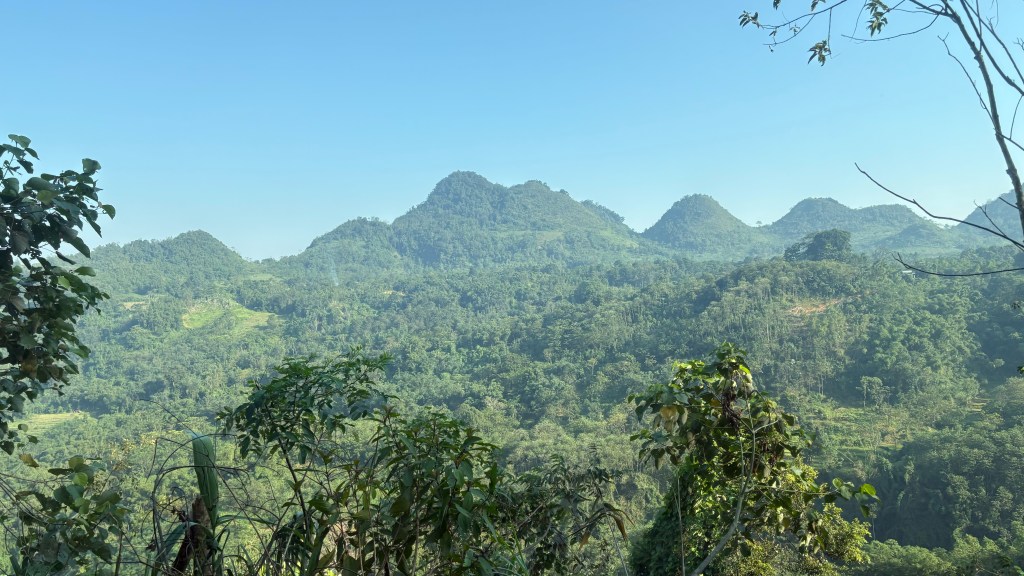
Đà Bắc
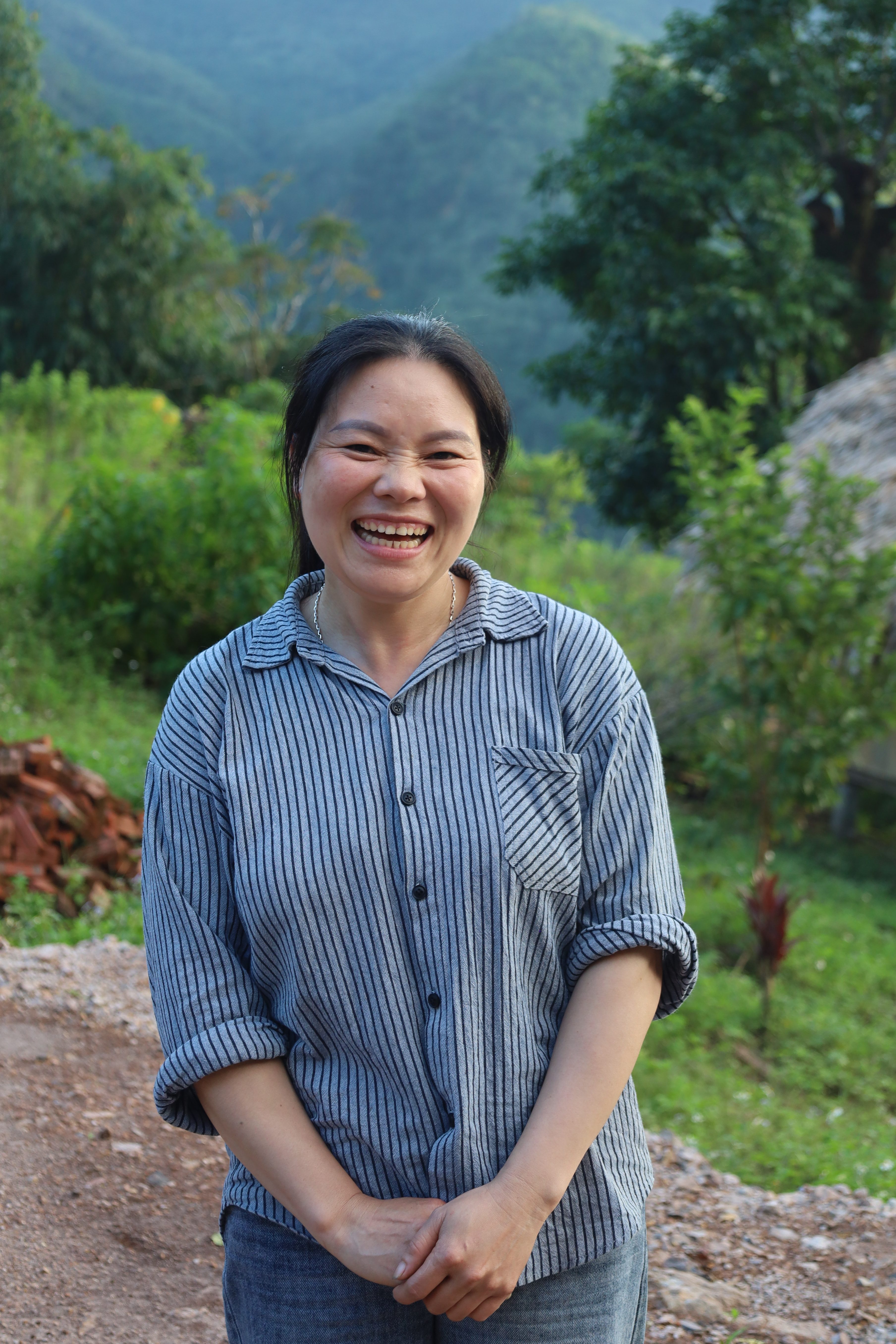
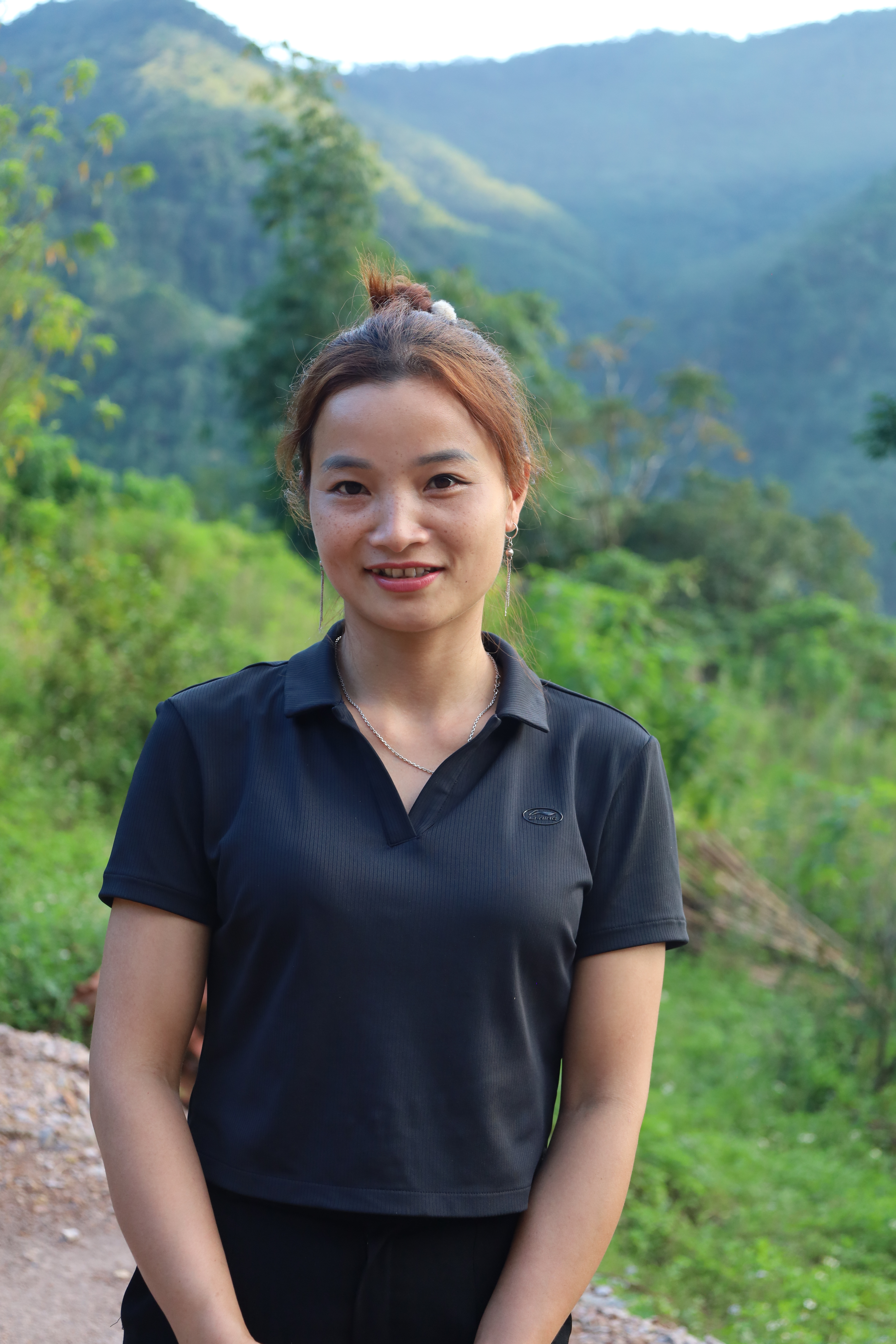
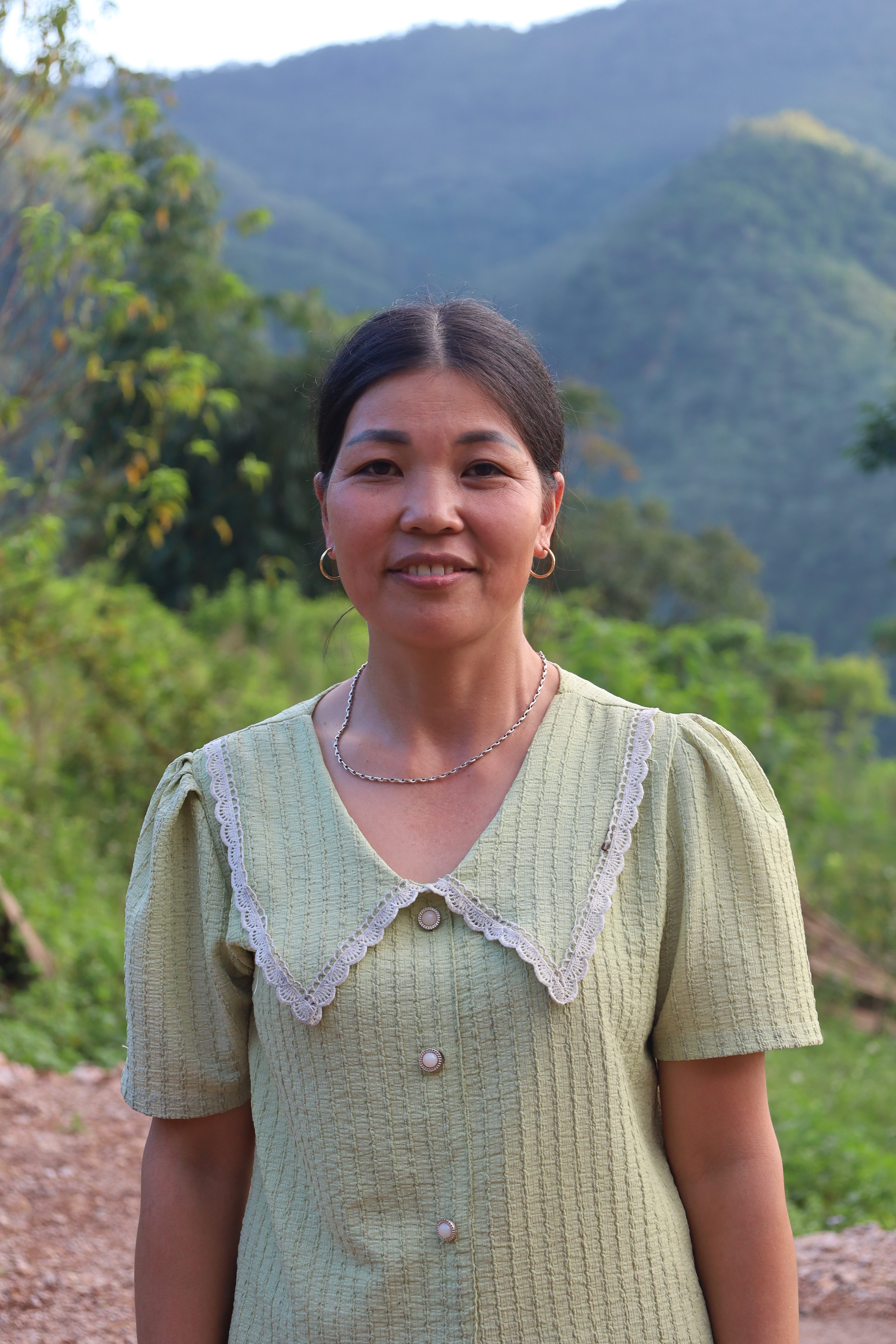
Đà Bắc, Hoà Bình is a community-based tourist destination. Đà Bắc tourism emerged only lately with the community-based tourism model set up by international NGOs and governmental agencies. Hoà Bình lake, well-preserved forests and local cultures attract international tourists seeking “authentic” and “nature” experiences.
The Dao and Mường communities are, for the first time, welcoming foreigners to their villages, earning tourism income, at the same time, experiencing the complications of these social, cultural and material forces to their community traditions and surrounding ecology.
Publications and Outputs
- Panel 2 of the Influencers and Gender Politics in South East Asia Symposium
Research Team
Principal Investigator: Dr. Jamie McPhie, Associate Professor, University of Cumbria, Ambleside, UK
Co-Investigator: Dr. Trần Hoài, Director of Heritage Studies and Lecturer, Vietnam National University; Director of Research, UNESCO Chair Vietnam
Co-Investigator: Dr. Myles Lynch, Assistant Professor, College of Arts and Sciences, VinUniversity, Hanoi, Vietnam; Research Scientist, UNESCO Chair Vietnam.
Co-Investigator: Dr. Lisa Fenton, Lecturer, University of Cumbria, Ambleside, UK
Co-Investigator: Dr. David Clarke, Lecturer, University of Cumbria, Ambleside, UK
Research Assistants
Research Associate: Mr. Trần Phước Lâm Huy, VinUniversity, Hanoi, Vietnam; Director of Education, UNESCO Chair Vietnam
Research Assistant: Ms. Châu Khánh Linh, College of Business and Management, VinUniversity, Hanoi, Vietnam
Research Assistant: Ms. Nguyễn Song Nhi, College of Business and Management, VinUniversity, Hanoi, Vietnam
Research Assistant: Ms. Nguyễn Thu Hiền, Vietnam National University
Research Assistant: Ms. Nông Thùy Linh, Vietnam National University
Research Assistant: Mr. Trần Gia Bảo, College of Arts and Sciences, VinUniversity, Hanoi, Vietnam
Research Assistant: Ms. Trần Thùy Dương, College of Arts and Sciences, VinUniversity, Hanoi, Vietnam
Research Assistant: Ms. Đỗ Thị Thúy Hằng, College of Arts and Sciences, VinUniversity, Hanoi, Vietnam
Research Assistant: Ms. Phạm Khánh Ngọc, College of Arts and Sciences, VinUniversity, Hanoi, Vietnam
Junior Research Assistant: Linh Vuong, Wilbraham and Monson Academy
Junior Research Assistant: Thai Co Tran, Concordia International School Hanoi (CISH)
Junior Research Assistant: Bùi Hải Hà Anh, True North International School
Junior Research Assistant: Le Anh Thu, True North International School
Junior Research Assistant: Vinh Dương, VinSchool Ocean Park
Advising Team
Project Advisor: Dr. K. David Harrison, Vice Provost, VinUniversity, Hanoi, Vietnam; UNESCO Chair, Vietnam; National Geographic Fellow
 Vietnam Outdoor Tourism Research